
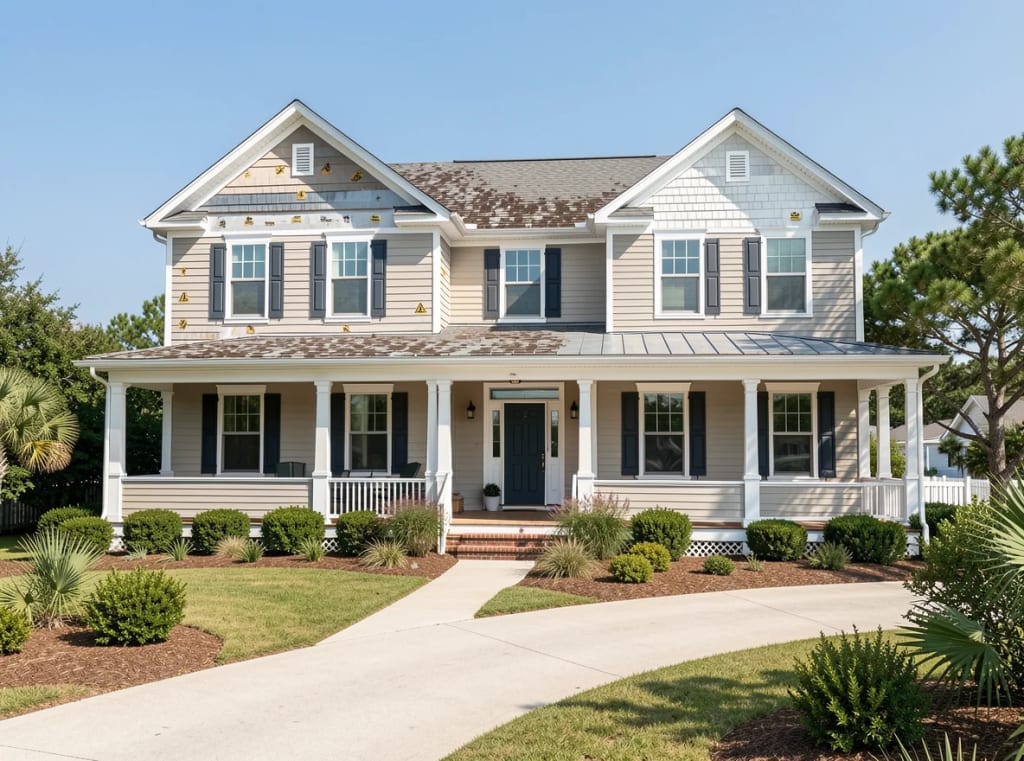
7 Renovation Red Flags Virginia Beach Buyers Should Spot Before Closing
7 Renovation Red Flags Virginia Beach Buyers Should Spot Before Closing
Fresh paint, new flooring, and a stylish kitchen can make a home feel move-in ready at first glance. But when a property has been recently updated, the smartest next step is slowing down and looking past the surface. In Virginia Beach, where humidity, salt air, storms, and varied housing ages all influence how homes perform over time, a quick cosmetic remodel is not always the same as a quality renovation.
That is where a practical review matters. Buyers do not need to be contractors to notice warning signs, but they do benefit from knowing which details deserve a second look before closing. A strong inspection period, clear documentation, and careful attention to workmanship can help separate thoughtful improvements from rushed fixes that may create expenses after move-in.
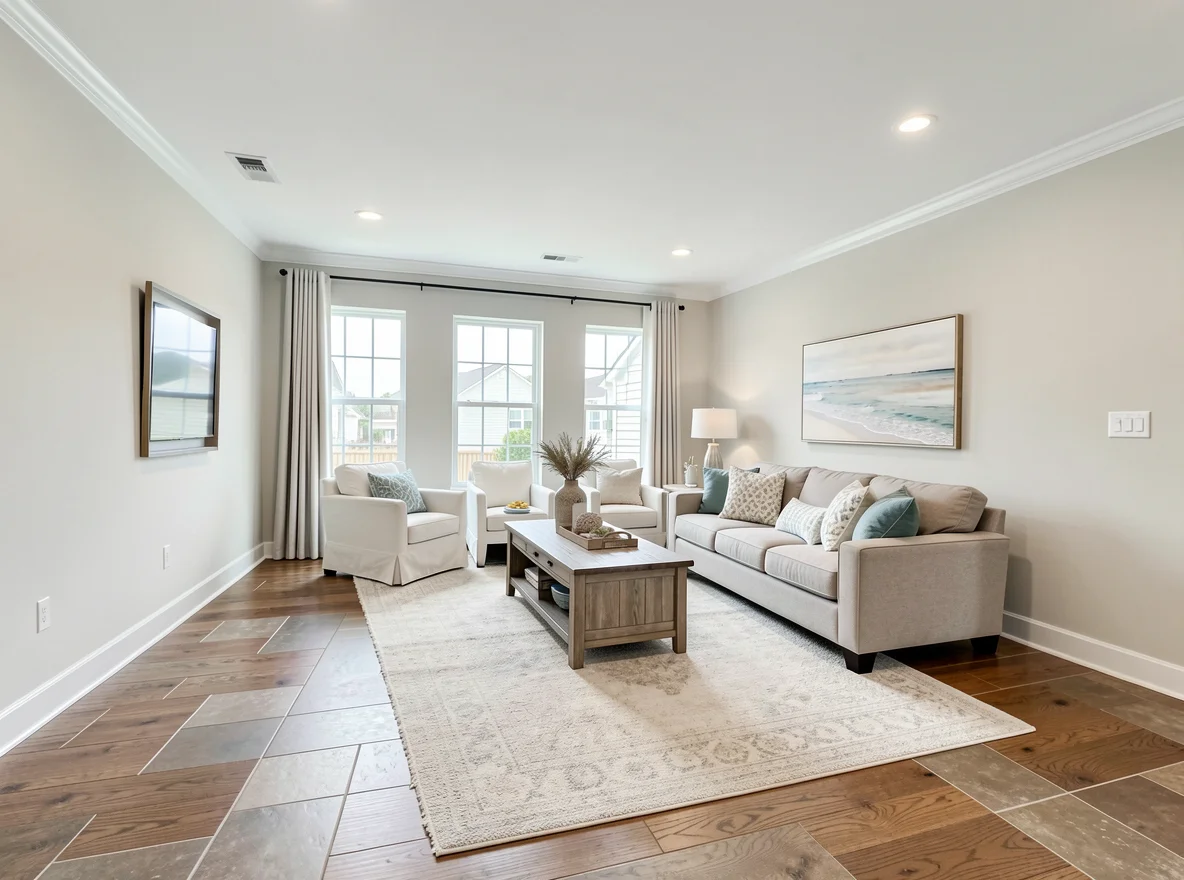
1. Uneven finishes that suggest rushed workmanship. New materials should look consistent from room to room. Watch for crooked tile lines, baseboards with wide gaps, cabinets that do not align, doors that stick, or flooring transitions that feel abrupt and unfinished. One small imperfection is not unusual, but a pattern of sloppy finishing can signal that speed mattered more than craftsmanship. If visible details were handled carelessly, it is fair to ask how the less visible work behind the walls was managed.
2. Signs that water issues may have been covered, not corrected. In a coastal market, moisture deserves serious attention. Freshly painted ceiling patches, musty odors, new drywall in isolated areas, warped trim, bubbling paint, or staining around windows can all point to prior leaks or ongoing humidity problems. Bathrooms, laundry rooms, crawl spaces, and areas around exterior doors are especially worth checking. Ask whether repairs addressed the source of the moisture or simply improved the appearance.
3. New systems with no paper trail. A seller may mention an updated roof, HVAC system, water heater, plumbing, or electrical work, but buyers should verify those claims with receipts, permits when required, and contractor information. Documentation helps confirm what was installed, when it was completed, and whether licensed professionals handled the work. It can also clarify whether manufacturer warranties are transferable. A home with recent upgrades becomes much easier to evaluate when the records are organized and complete.
Look Beyond Style Choices and Into Structural Clues
Attractive design can draw attention to the right places, which is why buyers should intentionally examine the wrong places too. Open every window you can, test doors, look at trim corners, check under sinks, and spend time outside studying drainage and grading. Renovated homes often photograph beautifully, but closing is the moment to understand how the property actually functions day to day.
4. Flooring and wall cracks that do not match the age or story of the renovation. Not every crack is structural, yet some deserve closer review. Notice long wall cracks above doorways, fresh patchwork in repeating locations, sloping floors, or tile fractures that continue across multiple rooms. These can indicate settling, framing movement, or prior damage that may need further evaluation. A qualified home inspector can help determine whether the issue appears cosmetic or whether a specialist should take a look before closing.
5. Poor exterior drainage and site work. Renovations often focus on the interior, while outside water movement gets less attention. Walk the perimeter after rain if possible, or at least study the grading. Soil should generally slope away from the house, gutters should direct water outward, and downspouts should not empty right at the foundation. In Virginia Beach, where heavy rains and storm events can stress vulnerable areas, drainage problems can affect crawl spaces, foundations, siding, and long-term maintenance costs.
6. Electrical and plumbing updates that appear partial or inconsistent. A renovated kitchen with new counters and fixtures may still have aging components nearby. Look for mixed outlet types, loosely mounted switches, missing cover plates, exposed wiring in utility areas, patched access points under sinks, or visible plumbing materials that suggest piecemeal repairs. The goal is not perfection in every older home; it is understanding whether the renovation improved the systems in a meaningful way or mainly refreshed the visible surfaces.
7. Ventilation shortcuts in kitchens, baths, and attics. Ventilation problems are easy to miss and expensive to ignore. Bathroom fans should vent properly, dryer exhaust should be routed correctly, and attic spaces should not show signs of trapped moisture. In a humid coastal environment, poor airflow can contribute to mildew, condensation, and shortened life spans for materials. If a home feels sealed up but damp, or if newly renovated baths lack effective ventilation, that deserves more questions before you finalize the purchase.
Beyond these seven red flags, it helps to think about the renovation as a whole. Do the updates feel coherent and well planned, or like a collection of quick visual improvements intended to stand out in listing photos? Quality projects usually show consistency in materials, installation, and attention to small details. They also tend to come with a clear timeline, reputable professionals, and straightforward answers when buyers ask how the work was completed.
A Smart Closing Strategy Starts With Better Questions
Buyers in Virginia Beach are often weighing a mix of older homes, updated properties, condos, and houses with varying levels of renovation. That makes due diligence especially valuable. A general home inspection is essential, but depending on what you see, it may also make sense to request additional review for roofing, structural concerns, HVAC performance, crawl space conditions, or moisture intrusion. Asking for invoices, permit history, age of major systems, and seller disclosures can provide a clearer picture of the home’s real condition.
This is also where working with professionals who understand both transactions and construction can make a meaningful difference. A real estate team with renovation and contractor experience can often spot gaps in workmanship, recognize when repairs seem incomplete, and help buyers focus their negotiation strategy on issues that truly affect value and ownership costs. That kind of practical guidance is especially useful when a home looks polished on the surface but leaves open questions underneath.
Well-done renovations can absolutely add comfort, efficiency, and appeal. The key is making sure the improvements are more than skin deep. By watching for rushed finishes, moisture coverups, missing documentation, structural clues, drainage issues, system inconsistencies, and ventilation problems, buyers can move toward closing with more confidence and fewer surprises. A careful look now can protect your budget later—and help ensure the home you choose in Virginia Beach is as solid as it is attractive.