

Beach, City, Suburb, or Shipyard Commute? A Hampton Roads Lifestyle Matchup
Comparing Hampton Roads Living by the Water, in the City, and Near Major Employment Centers
Choosing where to live in Hampton Roads is rarely a one-size-fits-all decision. The region offers a striking range of settings, from oceanfront neighborhoods and established suburban streets to lively urban districts and areas with practical access to shipyards, ports, and military-related employment hubs. For buyers sorting through options, the real question is less about what sounds appealing in theory and more about how daily routines, housing priorities, and long-term plans line up with a specific location.
That is where a thoughtful comparison can make the search feel much clearer. One part of the region may offer easier access to the shoreline, another may deliver a shorter drive to major job centers, and another may stand out for lot size, newer construction, or a certain style of neighborhood layout. With so many distinct communities across Hampton Roads, understanding the tradeoffs can help buyers focus on homes that fit both lifestyle and budget.
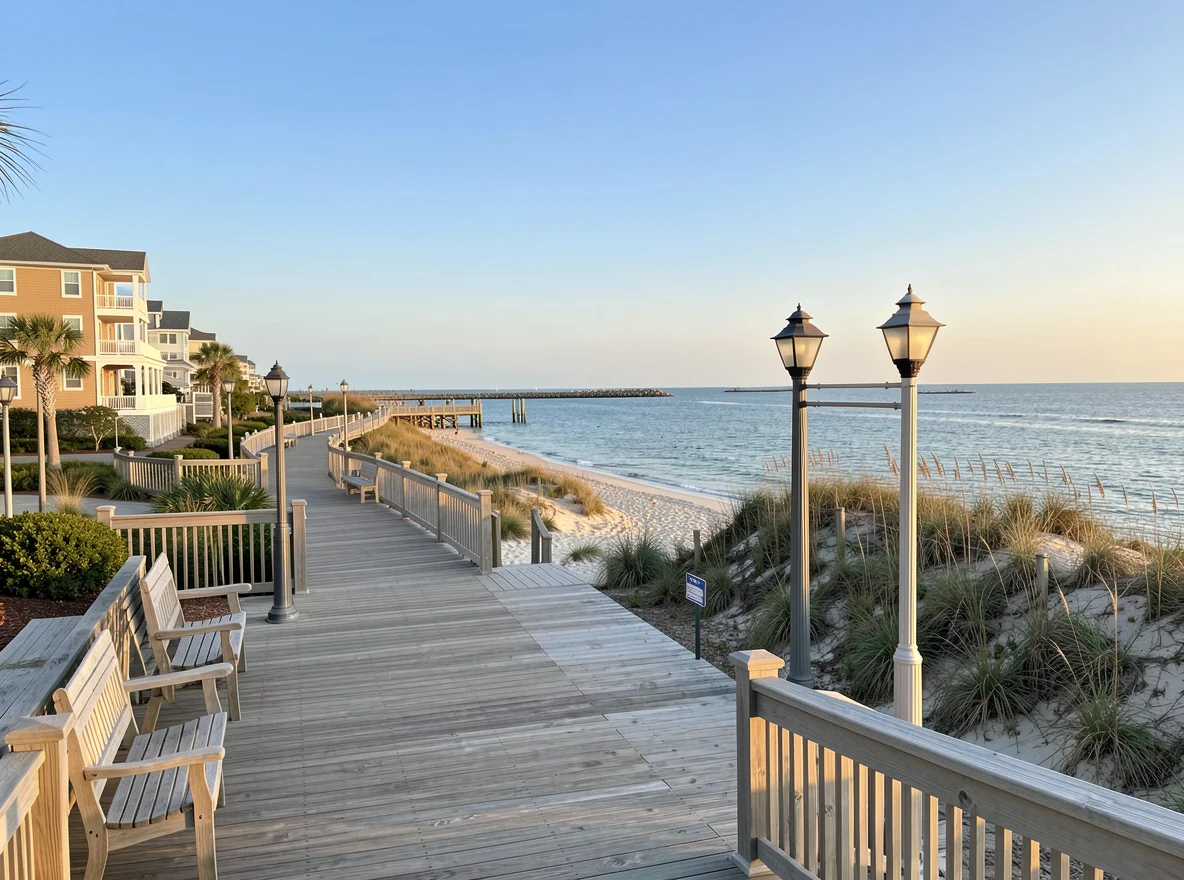
Beach-oriented living often draws attention first, and it is easy to see why. In areas near the Chesapeake Bay or Atlantic coastline, residents may enjoy quick access to sand, water views, marinas, and a more open-air rhythm to everyday life. Housing options can range from condos and townhomes to established detached homes, and pricing often reflects both location and flood-zone considerations. Buyers looking in these areas should pay close attention to insurance costs, maintenance needs tied to salt air exposure, and any HOA rules that come with attached or resort-adjacent properties.
Beyond the scenery, coastal sections of Hampton Roads can also offer proximity to trails, public beach access points, boating amenities, and seasonal events. Dining and entertainment may be more concentrated in some shoreline districts, while other pockets feel more residential and tucked away. The experience can vary dramatically from one beach area to the next, so it helps to compare not just the home itself, but parking, traffic flow during peak seasons, and how the location functions during a normal workweek.
City-centered living brings a different set of advantages. In places like Norfolk and parts of Portsmouth or Newport News, buyers may find walkable blocks, historic architecture, condo developments, adaptive-reuse buildings, and neighborhoods with easier access to universities, hospitals, arts venues, and waterfront districts. For some households, being close to event spaces, cultural attractions, and major road networks makes city living feel efficient and connected. It can also offer housing styles that are hard to find elsewhere, such as loft-like interiors, classic brick row homes, or renovated properties with distinctive character.
Where the Suburbs Fit Into the Equation
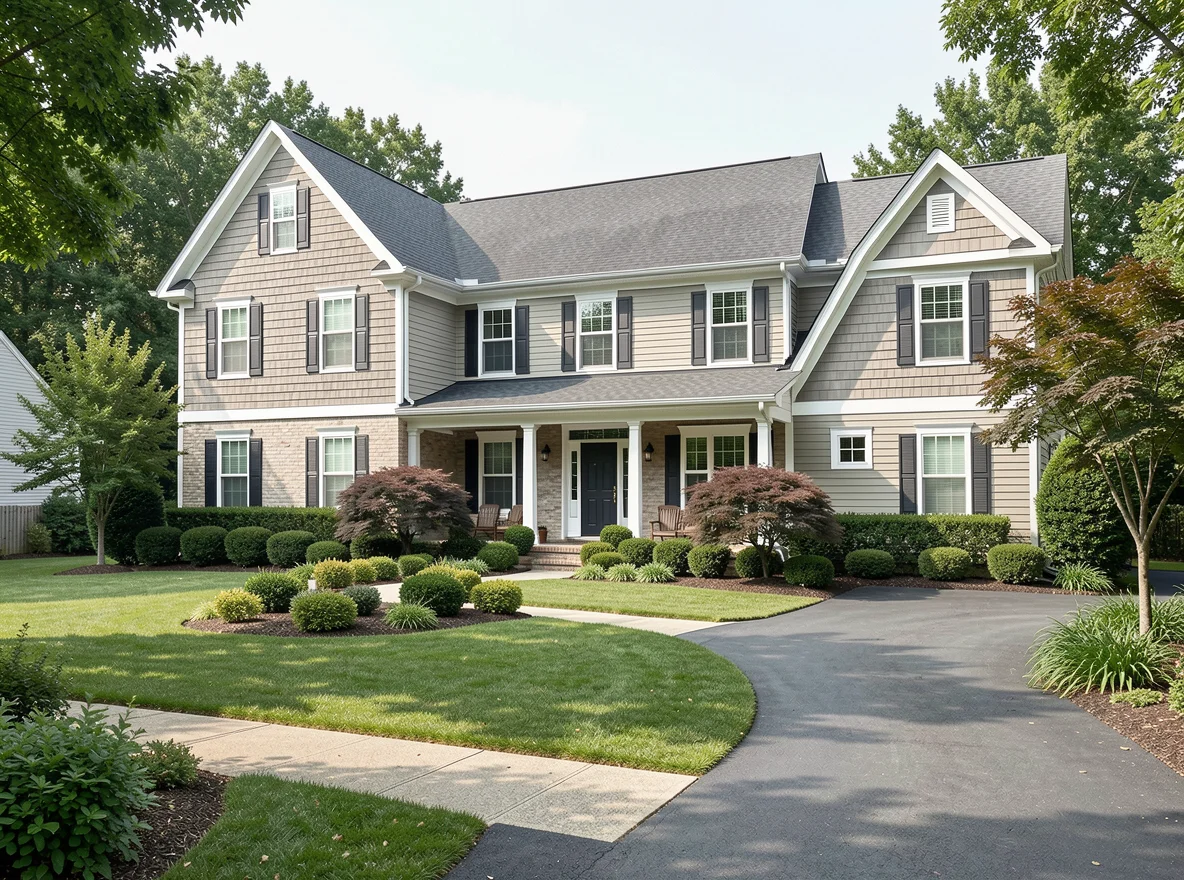
For buyers who want a bit more elbow room, suburban communities across Chesapeake, Suffolk, and portions of Virginia Beach often enter the conversation quickly. These areas may offer larger lots, newer subdivisions, attached garages, cul-de-sac layouts, and a wider range of detached-home inventory. Depending on the exact neighborhood, buyers might also find easier parking, more recently built homes, and floor plans designed around open living areas, bonus rooms, or expanded outdoor space.
The tradeoff is often commute length. A suburban address may provide more square footage for the price, but it can also mean more time on the road, more bridge-tunnel planning, or a longer trip to major employment districts and entertainment centers. Still, for many buyers, that balance works well. If the goal is a certain home style, a larger yard, or a specific construction era, suburban Hampton Roads can offer a practical middle ground between the shoreline and the urban core.
This is also where property condition becomes especially important. Some neighborhoods feature newer construction with modern systems and finishes, while others include homes that may benefit from updates to roofing, HVAC, windows, kitchens, or baths. A real estate team with renovation and contractor knowledge can be especially valuable here, helping buyers distinguish between cosmetic opportunity and more significant repair exposure. Sunrise Real Estate Group’s construction background can make that evaluation more grounded, particularly for clients comparing homes that need work against move-in-ready alternatives.
Access to everyday amenities matters too. Grocery options, parks, recreation centers, medical offices, and school locations all shape how convenient a neighborhood feels. Rather than assuming one area checks every box, it helps to map the places you expect to visit most often and compare drive times at realistic hours. Sometimes a home that looks farther out on paper actually creates an easier routine because of road patterns and nearby services.
Living With a Shipyard or Port Commute in Mind
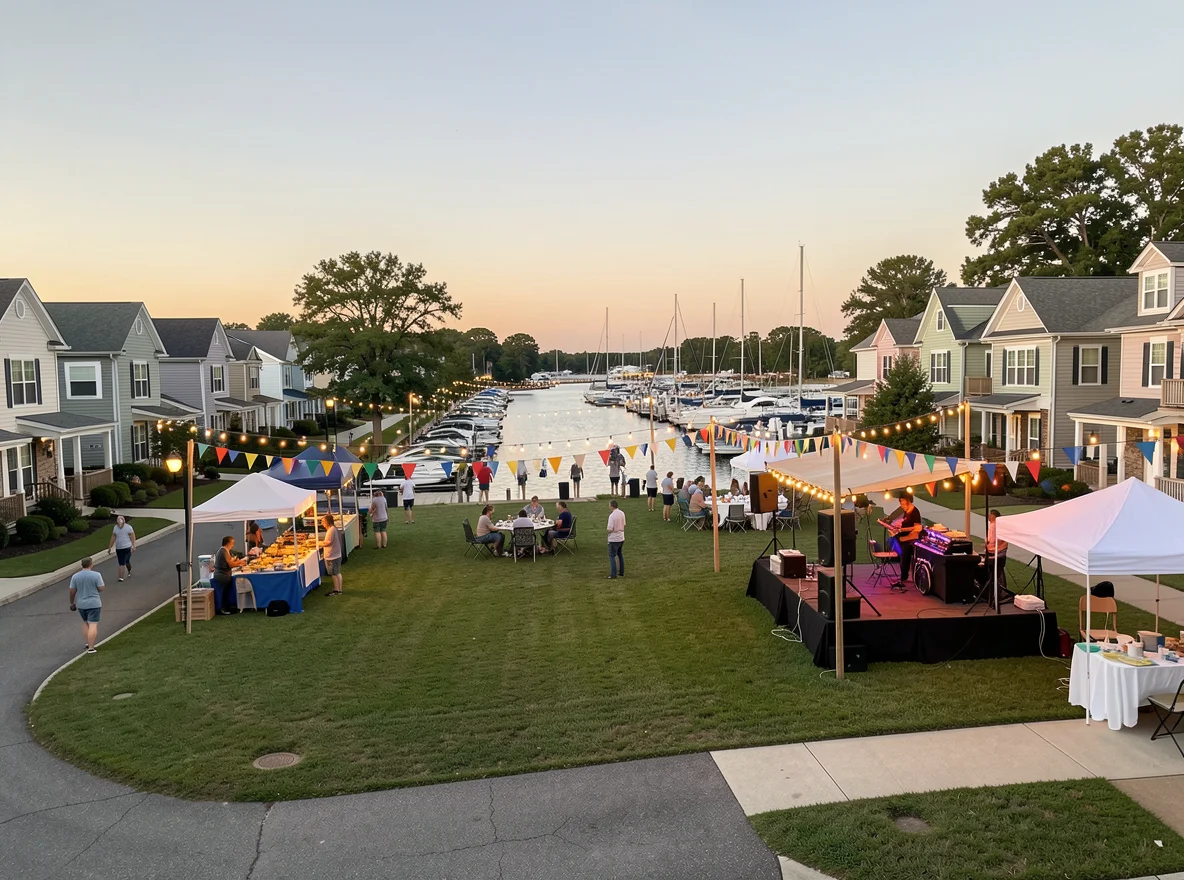
For many people moving within or into Hampton Roads, commute planning revolves around shipyards, bases, terminals, and other major employment centers. In that case, the right location may be defined less by broad city labels and more by bridge access, tunnel timing, and route consistency. A home that appears close in miles can feel far in practice if it requires a bottleneck crossing every day, while a property in another direction may offer a smoother trip despite a longer distance.
Neighborhoods near Newport News Shipbuilding, the Port of Virginia, Naval Station Norfolk, and related employment corridors each come with different housing patterns. Some offer older homes with established streets and mature trees. Others feature townhomes, condos, or infill development designed for lower-maintenance ownership. Buyers focused on commute efficiency often prioritize driveway access, off-street parking, manageable upkeep, and reliable travel windows over purely scenic considerations.
There is also a strong investment angle to these areas. Homes positioned near major job centers can attract consistent interest because location convenience remains valuable in many market cycles. That does not automatically make every property a smart purchase, but it does mean buyers should weigh not just present-day needs but also resale flexibility, renovation upside, and ongoing maintenance costs. A team experienced in both real estate and construction can help identify which homes offer durable value and which ones may require more capital than expected.
How to Choose the Best Match for Your Priorities
The strongest home search usually starts with an honest ranking of priorities. If water access is high on the list, beach or bay communities may deserve a closer look even if they come with additional insurance and seasonal traffic considerations. If character, walkability, and cultural amenities matter most, city neighborhoods may rise to the top. If the goal is more space, newer construction, or a broader range of detached-home options, suburban sections may deliver the best fit. And if a predictable trip to work is nonnegotiable, commute mapping should happen before narrowing a property list.
It also helps to think beyond the first showing. Consider how a home will function after move-in: weekend errands, storm preparation, renovation plans, storage needs, parking, and long-term maintenance. In a diverse region like Hampton Roads, the “best” location is usually the one that supports your routine while keeping future flexibility in view.
That is why local guidance matters. Sunrise Real Estate Group brings not only transaction support, but also contractor-level insight that can sharpen the decision-making process for buyers, sellers, and investors. Whether you are comparing beach access, city convenience, suburban space, or a shipyard-friendly commute, a practical, property-by-property approach can turn a broad regional search into a confident move.