
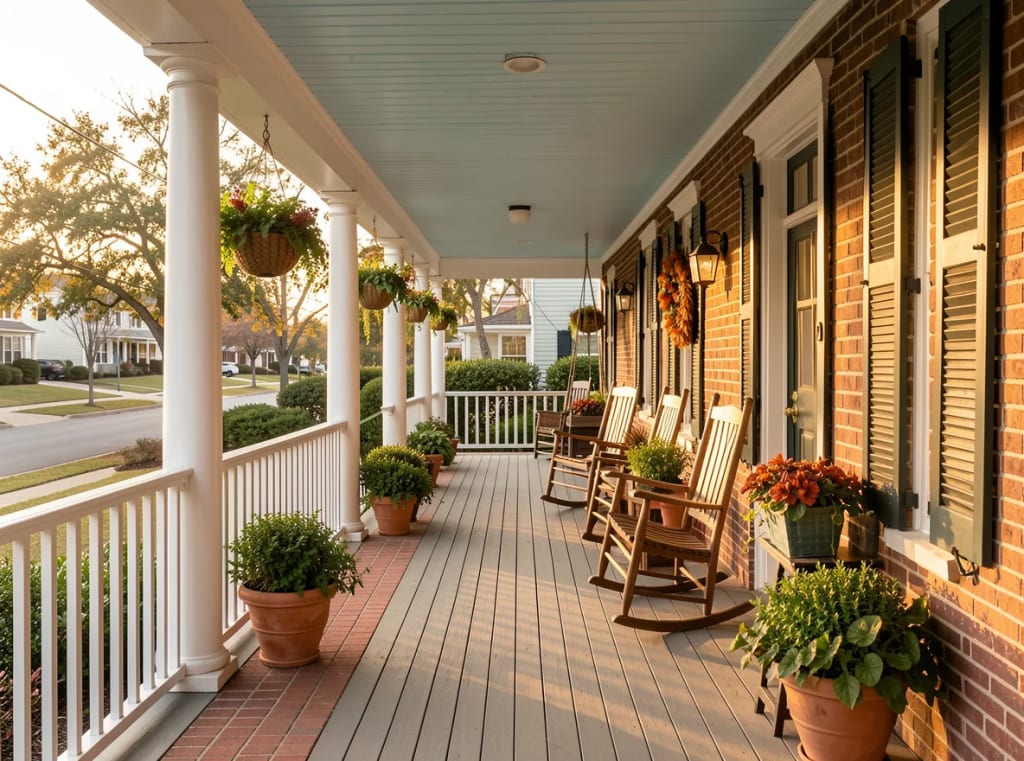
Portsmouth Character Homes: How to Love the Charm Without Buying a Money Pit
Portsmouth’s older homes can be captivating for all the right reasons
There is something unmistakable about a well-kept character home. In Portsmouth, that often means original millwork, tall windows, brick foundations, wide-plank floors, and details that give a property a sense of permanence. Buyers are often drawn to that warmth immediately, but older homes also ask for a more careful read than a newer build. The goal is not to avoid charm. It is to understand what is cosmetic, what is structural, and what may affect the true cost of ownership after closing.
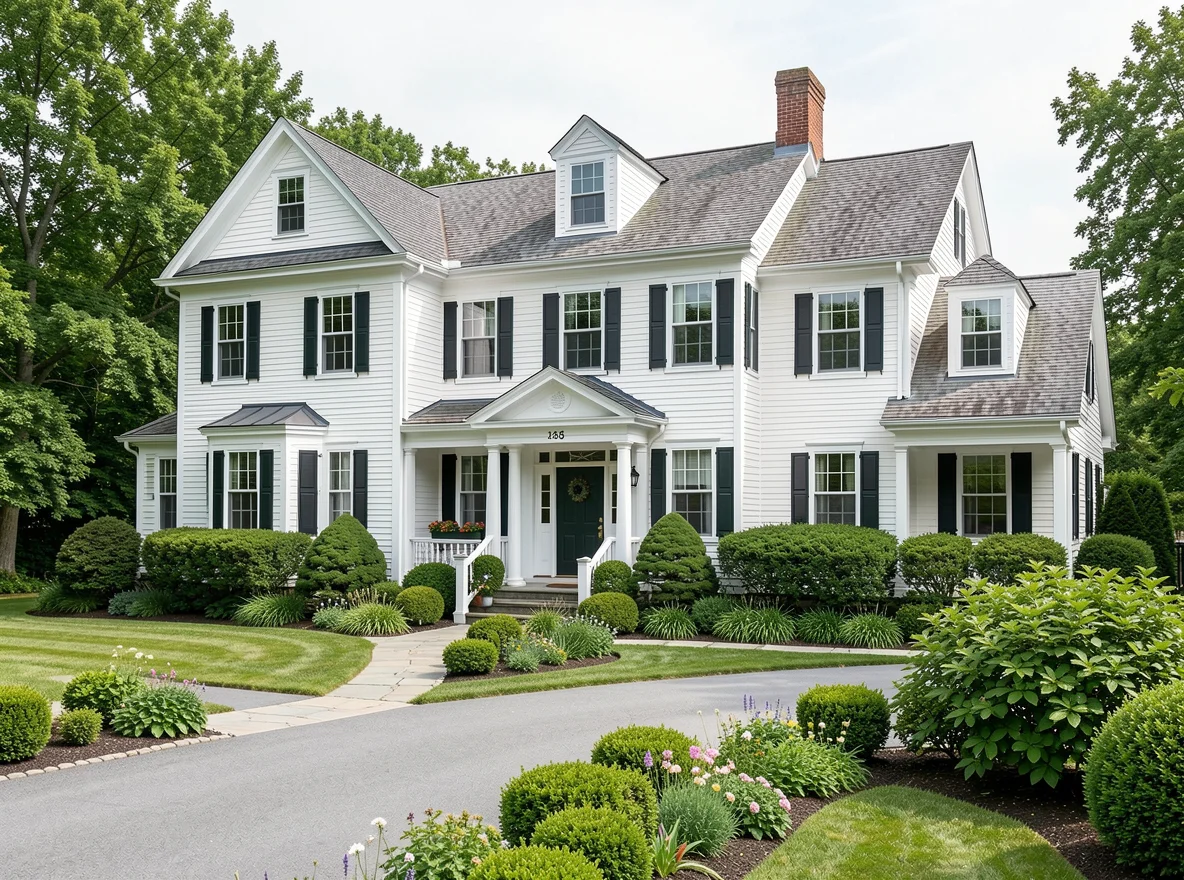
That balance is where local knowledge matters. A beautiful entry hall and period trim can absolutely be worth preserving, yet buyers should also be thinking about drainage, roof age, electrical updates, insulation, heating systems, and deferred maintenance hiding behind fresh paint. In a market where unique homes can move quickly, it helps to separate emotional appeal from renovation reality without losing appreciation for what makes an older property special.
Portsmouth offers exactly the kind of housing stock that invites this conversation. From classic in-town properties to older colonials and capes in surrounding areas, the appeal often comes from craftsmanship that is difficult to replicate today. At the same time, age alone does not make a home risky. Some century-old properties have been methodically updated over time, while a much younger home can still have expensive issues if maintenance was postponed. What matters most is how the house has been cared for and what its systems are telling you now.
One practical starting point is to identify the difference between historic character and functional obsolescence. Original doors, built-ins, fireplaces, and intricate trim can add real value and atmosphere. Sloped floors, moisture in the basement, outdated knob-and-tube wiring, undersized service panels, or aging plumbing lines deserve a very different response. A buyer who understands that distinction is in a stronger position to evaluate whether a home needs selective improvements, a larger renovation plan, or simply a more cautious offer structure.
What to examine before falling in love with the details
Character homes reward close observation. Start with the big-ticket items that are difficult or expensive to change. Roof condition, chimney integrity, foundation movement, water intrusion, window performance, and the age of heating and cooling equipment can all shape the budget far more than cosmetic updates. In coastal New Hampshire, weather exposure also matters. Salt air, freeze-thaw cycles, and seasonal moisture can accelerate wear on exterior materials if they have not been maintained consistently.
Inside, pay attention to the systems that support daily comfort. Electrical work is especially important in older houses, where prior owners may have updated some areas and left others untouched. Plumbing may include a mix of newer and older materials, and insulation can vary widely from room to room. If a home has been expanded over time, it is worth asking how those additions were integrated with the original structure. A house that feels seamless often reflects thoughtful planning; one with uneven floors, temperature swings, or awkward transitions may need more investigation.
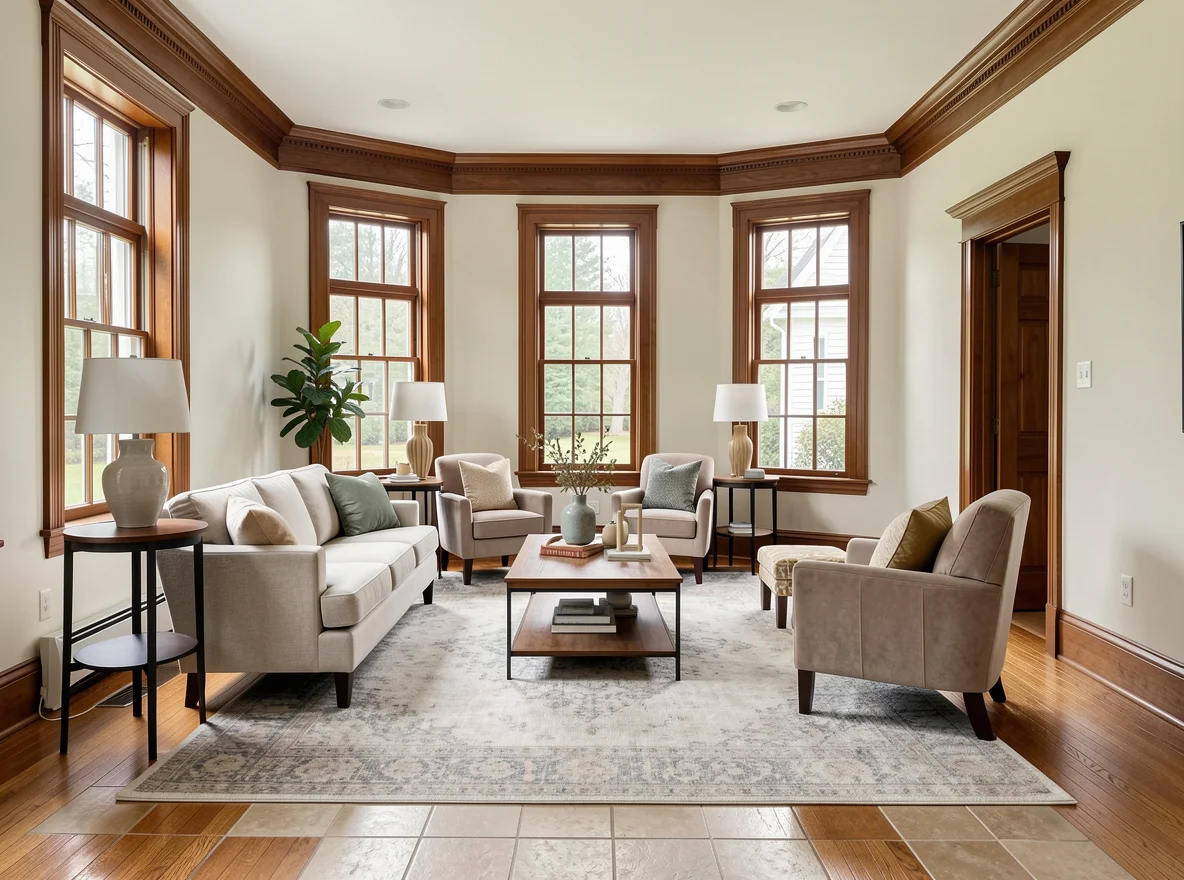
Inspection strategy matters too. A general home inspection is essential, but on some properties it makes sense to go further with targeted specialists. Depending on age and condition, that could include structural review, sewer line scoping, chimney evaluation, pest inspection, or a closer look at drainage and grading. These additional steps are not about creating fear. They are about understanding scope. When you know whether the house needs a tune-up or a multi-phase rehabilitation plan, you can make a clearer decision and negotiate from a factual position.
This is one area where a real estate team with contractor-level perspective can add unusual value. Sunrise Real Estate Group brings transaction support together with Class A contractor expertise, which can be especially helpful when buyers are considering homes with renovation potential. Instead of seeing only a list of defects, it becomes possible to understand what can be addressed efficiently, what should be prioritized first, and which issues may materially affect long-term value. That practical lens can keep a charming purchase from turning into an expensive surprise.
How Portsmouth’s setting adds to the appeal
Part of the draw, of course, is not just the house itself. Portsmouth offers a walkable historic core, waterfront scenery, established neighborhoods, arts and cultural venues, local dining, and easy access to the Seacoast’s recreational options. Parks, trails, and nearby beaches add another layer of appeal, while regional commuting routes make it possible to stay connected to surrounding employment centers. Buyers who are interested in older homes are often responding to this combination of architecture and place: a home with visible history in a city that continues to feel active and layered rather than generic.
For households thinking long term, it also helps to study the surrounding block and not just the property line. Look at neighboring roof conditions, site drainage, parking patterns, sidewalk access, lot shape, and how nearby homes have been updated. These clues tell you whether the area supports continued investment and whether your renovation goals would fit comfortably within the local housing context. Character homes tend to perform best when buyers respect the original architecture while making thoughtful upgrades for efficiency, comfort, and durability.
Local amenities also affect renovation decisions. Proximity to the waterfront, downtown destinations, schools, recreation, and established commercial corridors can support value, but they may also shape priorities. In one house, preserving original windows with storm improvements may make sense. In another, energy upgrades, exterior repairs, or kitchen reconfiguration may offer the strongest return. There is no single formula. The smartest plan is usually a phased one that protects the structure first, improves systems second, and addresses finishes once the home is functioning well behind the walls.
A money pit usually leaves clues
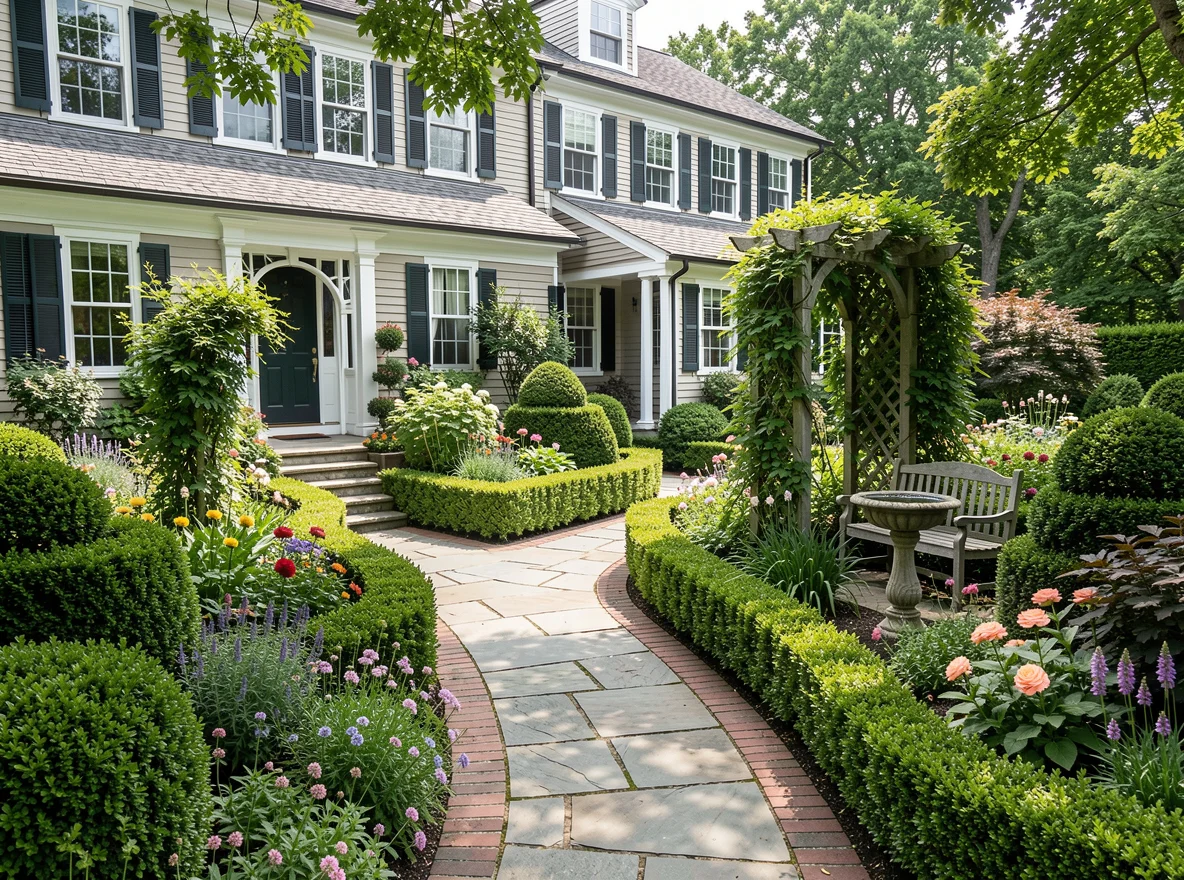
Most true money pits do not arrive without warning. They often show signs such as patchwork repairs, inconsistent craftsmanship, musty lower levels, cracked masonry, windows that no longer operate well, or obvious shortcuts in places buyers cannot easily see from a quick showing. The challenge is that these signs can be easy to overlook when a home has exceptional curb appeal or memorable interior details. Slowing the process down just enough to ask better questions can save a great deal of frustration later.
Request records when available. Ask about the age of major systems, permits for additions or significant renovations, and whether water management improvements have been made outside. Notice whether updates appear coordinated or piecemeal. A carefully maintained older home often has a story of stewardship behind it, even if not every surface has been modernized. That kind of history can be more reassuring than a fast cosmetic refresh that leaves major components untouched.
The good news is that charm and sound decision-making can absolutely go together. Some of Portsmouth’s most appealing homes are the ones that have kept their architectural identity while receiving thoughtful upgrades over time. Buyers who approach the process with curiosity, patience, and a realistic budget are often the ones who come away with a home that feels both distinctive and manageable.
In the end, loving a character home does not mean ignoring its needs. It means understanding them clearly. With the right inspection approach, a grounded renovation plan, and guidance informed by both real estate and construction experience, buyers can appreciate Portsmouth’s older homes for what they are: layered, memorable properties that can offer lasting value when chosen wisely.